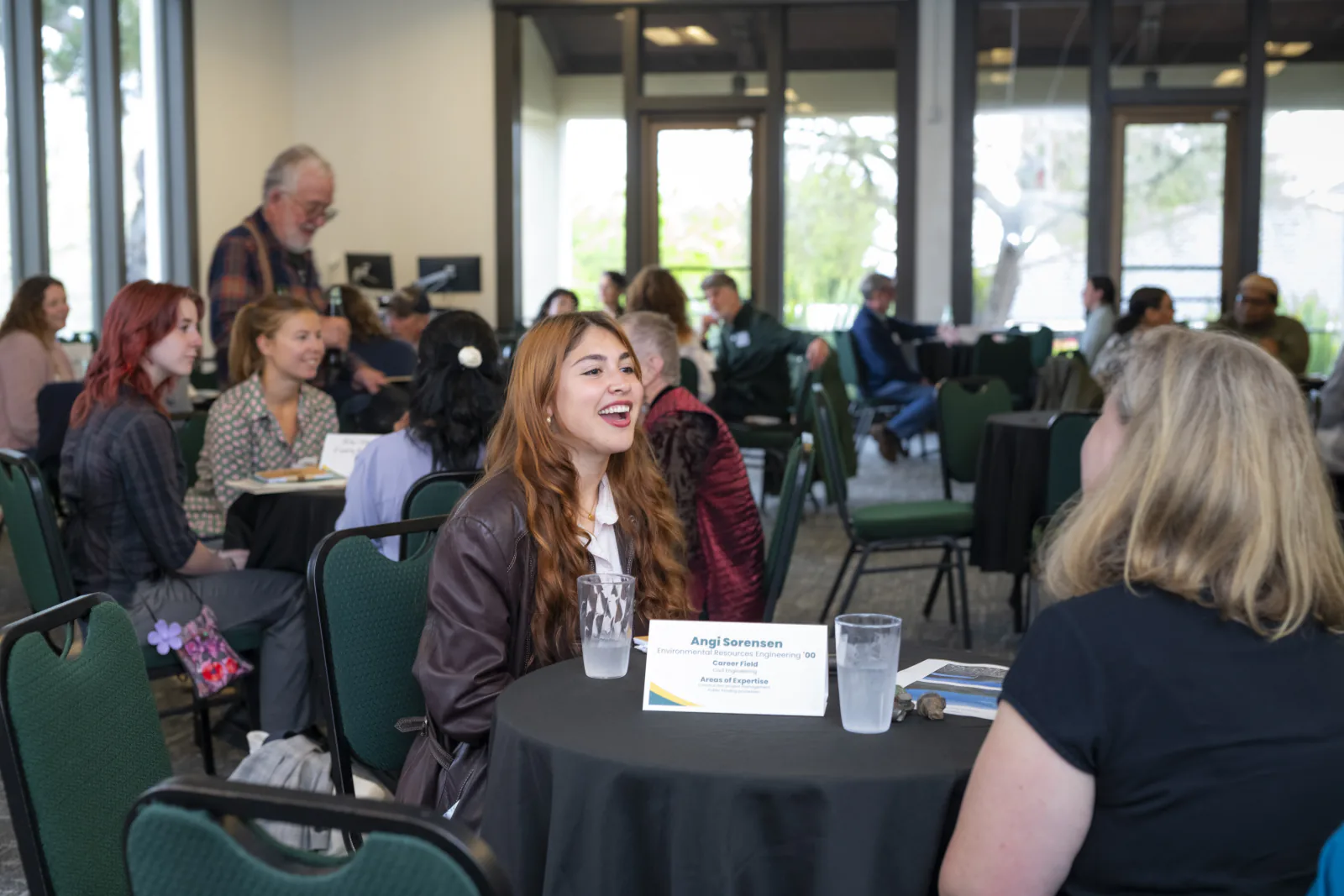
On a partly sunny afternoon inside the Goodwin Forum, students settled into chairs across from Cal Poly Humboldt alumni, ready for conversations that could shape what comes next.
The event, called Alumni Connections, felt a little like speed dating—but instead of romance, students were seeking advice, encouragement, and a clearer sense of life after college. Around the room, alumni from different decades and career paths shared stories about first jobs, unexpected turns, transferable skills, and the lessons they wished they had known as students.
Created through a partnership between Alumni Relations and the Career Development Center, Alumni Connections is Cal Poly Humboldt’s newest mentorship program. It’s designed to bring students and alumni together for meaningful, low-pressure conversations about careers, purpose, and possibility.
“We wanted something authentic to Humboldt, relationship-based, organic, and sustainable,” says J.D. Garza-Valencia, director of the Career Development Center.
The idea grew from conversations happening across the California State University (CSU) as Graduation Initiative 2025 neared its conclusion. CSU campuses were offered funding to develop mentorship programs, but Stephanie Lane, director of Alumni Relations, knew Humboldt needed more than an event.
“We wanted to build something meaningful, not rushed,” Lane says.
That intention became the foundation for Alumni Connections. Lane, Garza-Valencia, and Dan Sealy, the CSU alumni representative for Cal Poly Humboldt, began shaping a program that would reflect Humboldt’s strengths: close relationships, practical advice, and alumni eager to give back.
The formula is simple. Forever Humboldt brings the alumni. Career Development brings the students. Together, they create space for conversation.
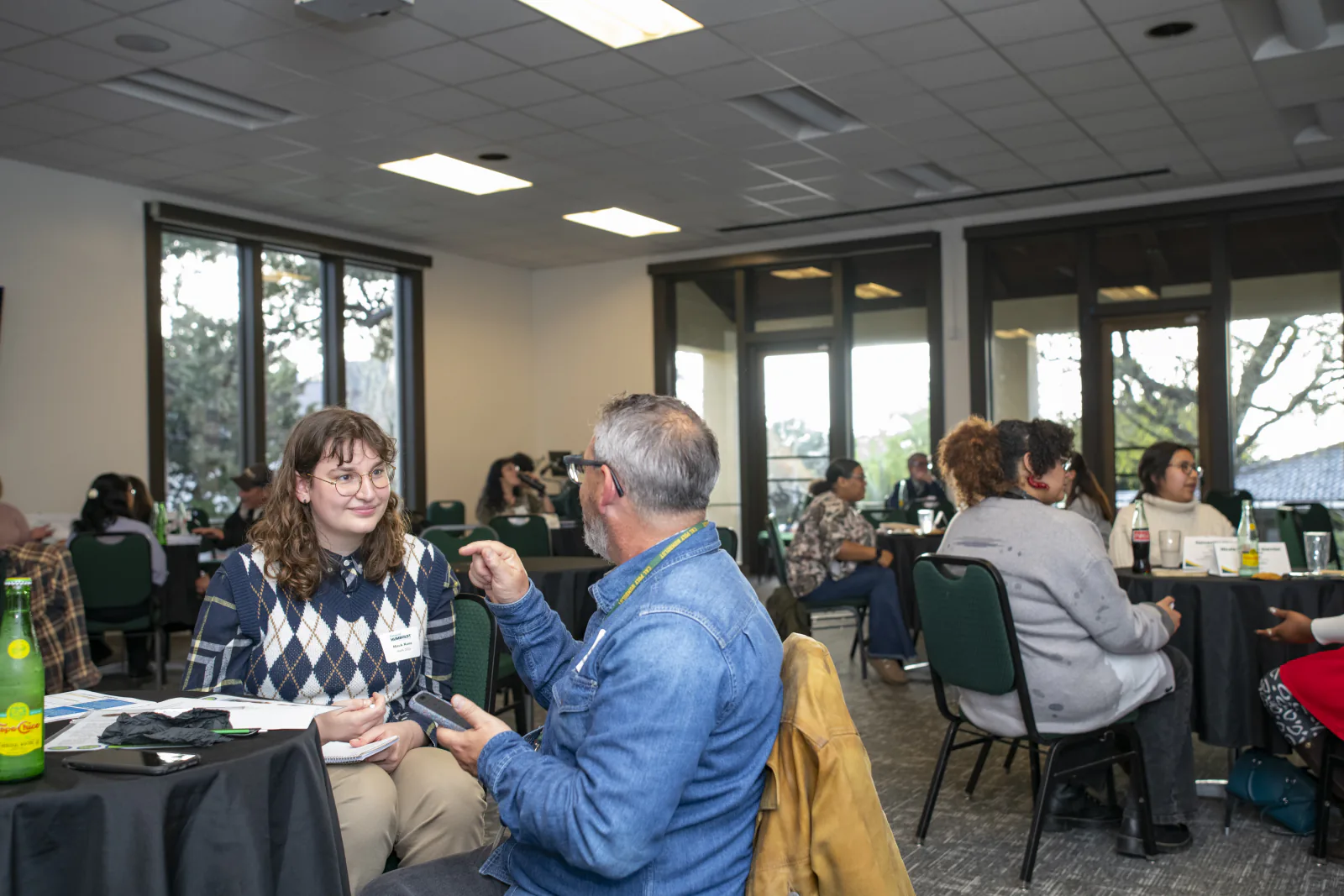
Each semester, students are invited to meet alumni for an evening of connection. Alumni introduce themselves, share their fields and areas of expertise, then rotate into smaller conversations with students. Some students arrive with focused career questions. Others come simply curious about what is possible with their degree.
“Some students are brand new and still figuring things out, Garza-Valencia says. “Others are very focused and already know exactly what they want. But both groups are showing initiative by walking into the room and choosing to engage.”
Walter Herzog (‘90, Forestry) participated because he valued his own Humboldt experience and wanted to share what he has learned since.
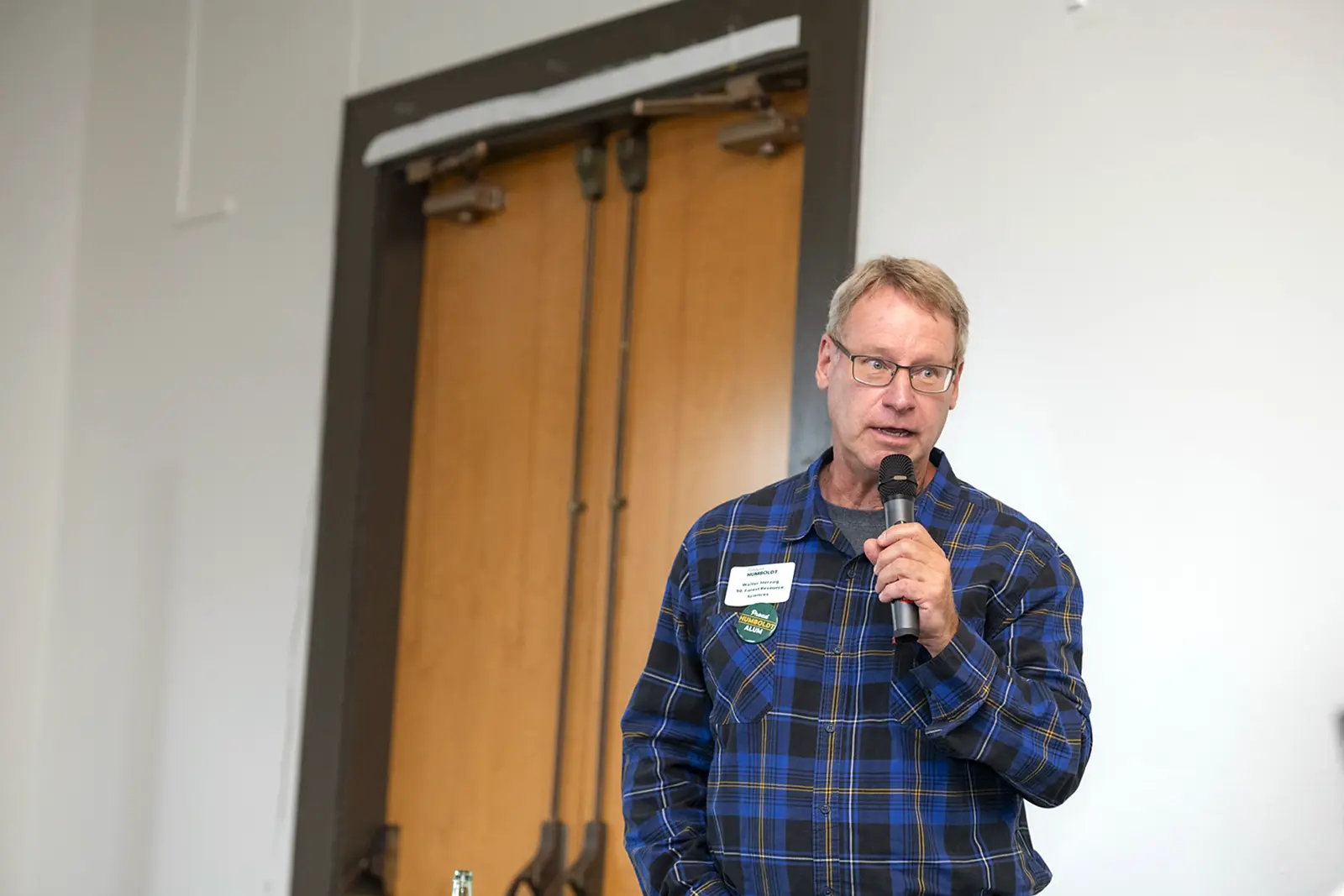
Herzog says mentorship does not have to be formal to be powerful. Sometimes, it begins with listening.
“Mentorship can be someone who is a good listener and knows how to give advice or guidance as needed,” Herzog says.
He hopes students walk away with advice that helps steer them toward work they care about. During the event, he was struck by how engaged students were.
“The students who participated seemed genuinely interested in pursuing careers in natural resources,” Herzog says. “They asked thoughtful questions, and the event was a great way to share experiences with future Humboldt alumni.”
Angelique Sorensen (‘00, Environmental Resources Engineering) signed up with a similar spirit. “My philosophy is to give what I can when I can,” she says. “I am happy to share information I would have liked to have had at the beginning of my career.”
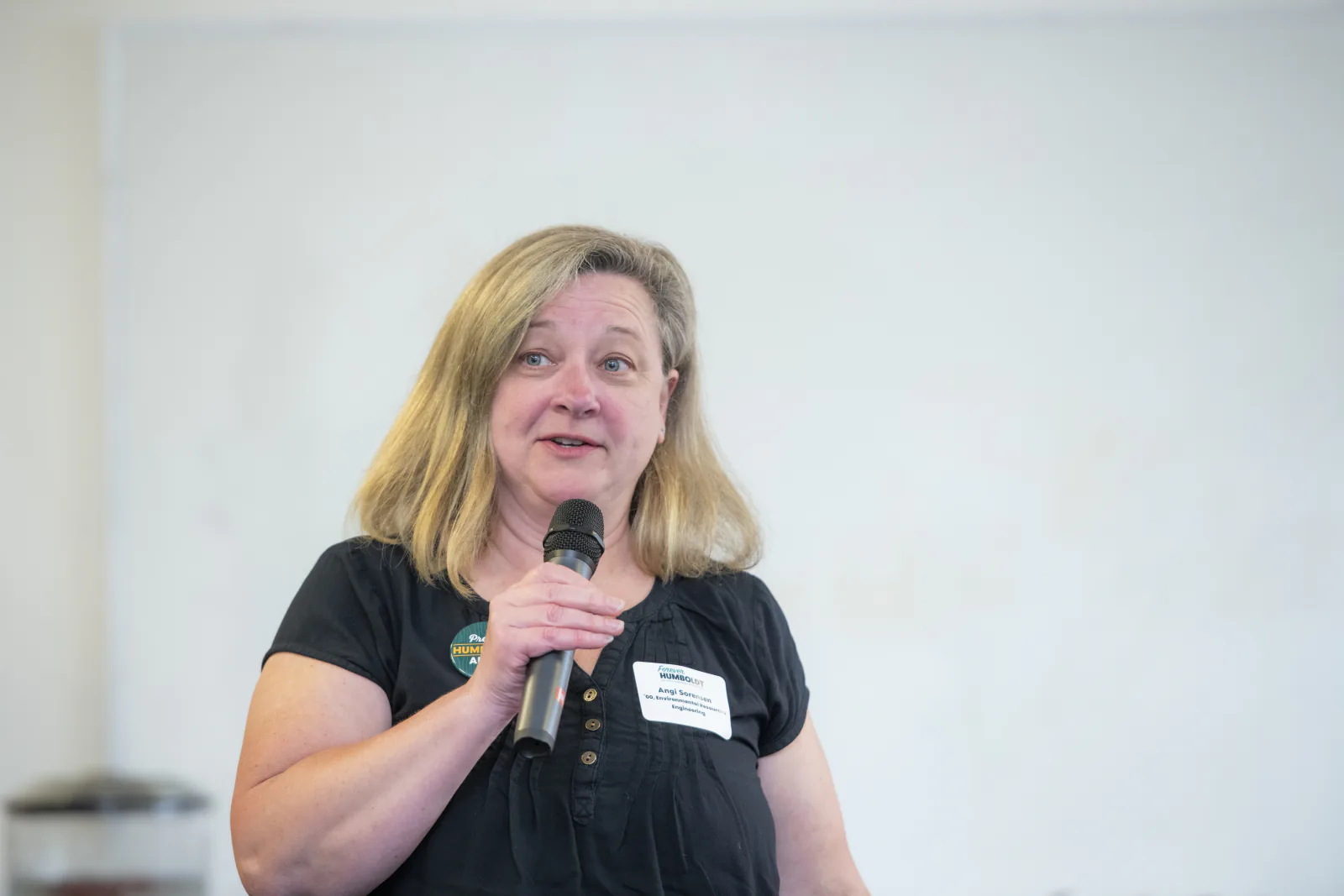
For Sorensen, mentorship is about offering support while encouraging students to grow beyond what their mentors can teach them.
“I think mentorship is providing supportive guidance with the ultimate goal of the student outperforming the teacher,” she says.
Her advice to students is to stay flexible and be open to opportunities, even when those opportunities don’t seem directly connected to a goal. That kind of openness, Sorensen says, can shape a career in unexpected and meaningful ways.
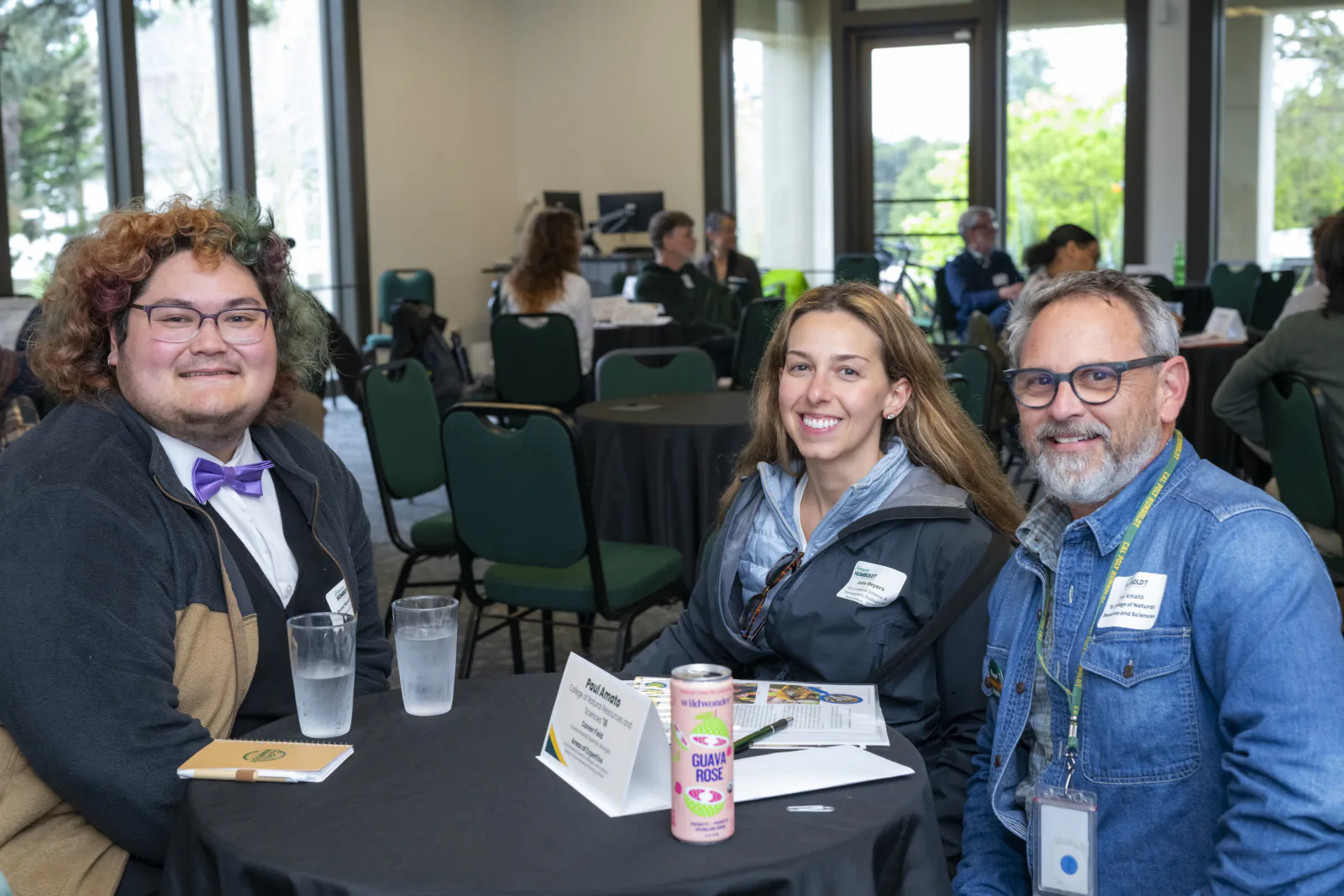
For Jared Kawanami, a Forestry major, Alumni Connections offered something he deeply values, “intergenerational information sharing.”
Kawanami attended because he wanted to meet people who had already moved beyond college and into the workforce. He also wanted to hear from alumni whose paths were not always linear.
“It was interesting to see the different ways that people have made their careers work,” Kawanami says.
One conversation led him to an alum connected with the Trinidad Rancheria, who offered to introduce him to their natural resources department. Though the alum’s expertise was not directly tied to his field, Kawanami saw the value in the exchange.
“You never know who they’re going to be, and what you might hear about,” Kawanami says.
That idea is central to Alumni Connections. Students may arrive expecting advice from someone in their exact field, but the program encourages them to see beyond job titles. Communication, collaboration, leadership, project management, and adaptability matter across all careers.
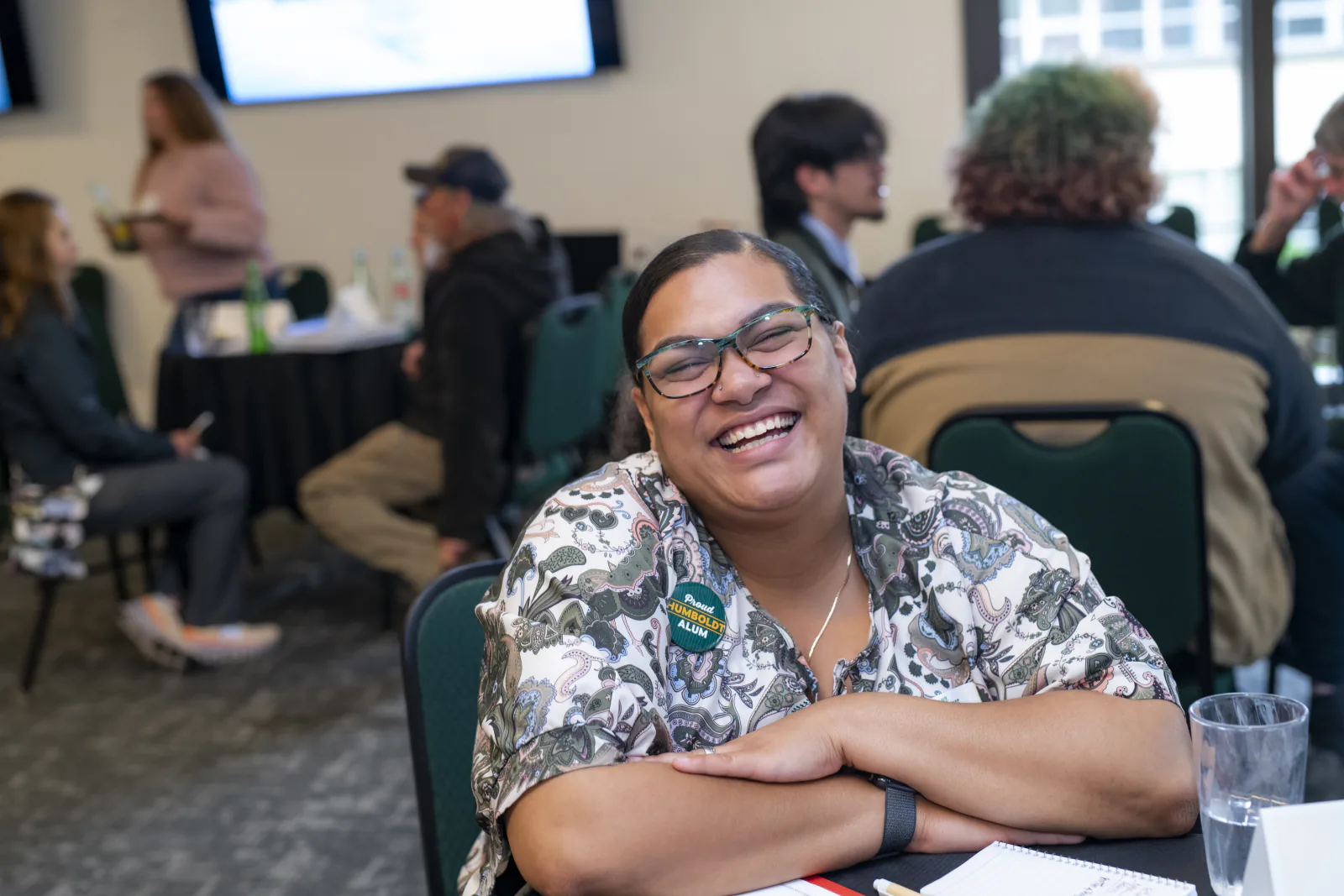
“Every alum has something to offer, and every student can gain something from these conversations,” Lane says.
The program is already evolving. Early events were broad, but future gatherings may focus on specific colleges, disciplines, or career fields. For now, the program’s power lies in the room itself, in students choosing to show up, in alumni choosing to return, and in conversations that remind both groups they are part of something larger.
Kawanami says he would encourage other students to attend.
“Alumni have that sort of experience of what you’ve been through, and they care enough to come back and help you.”