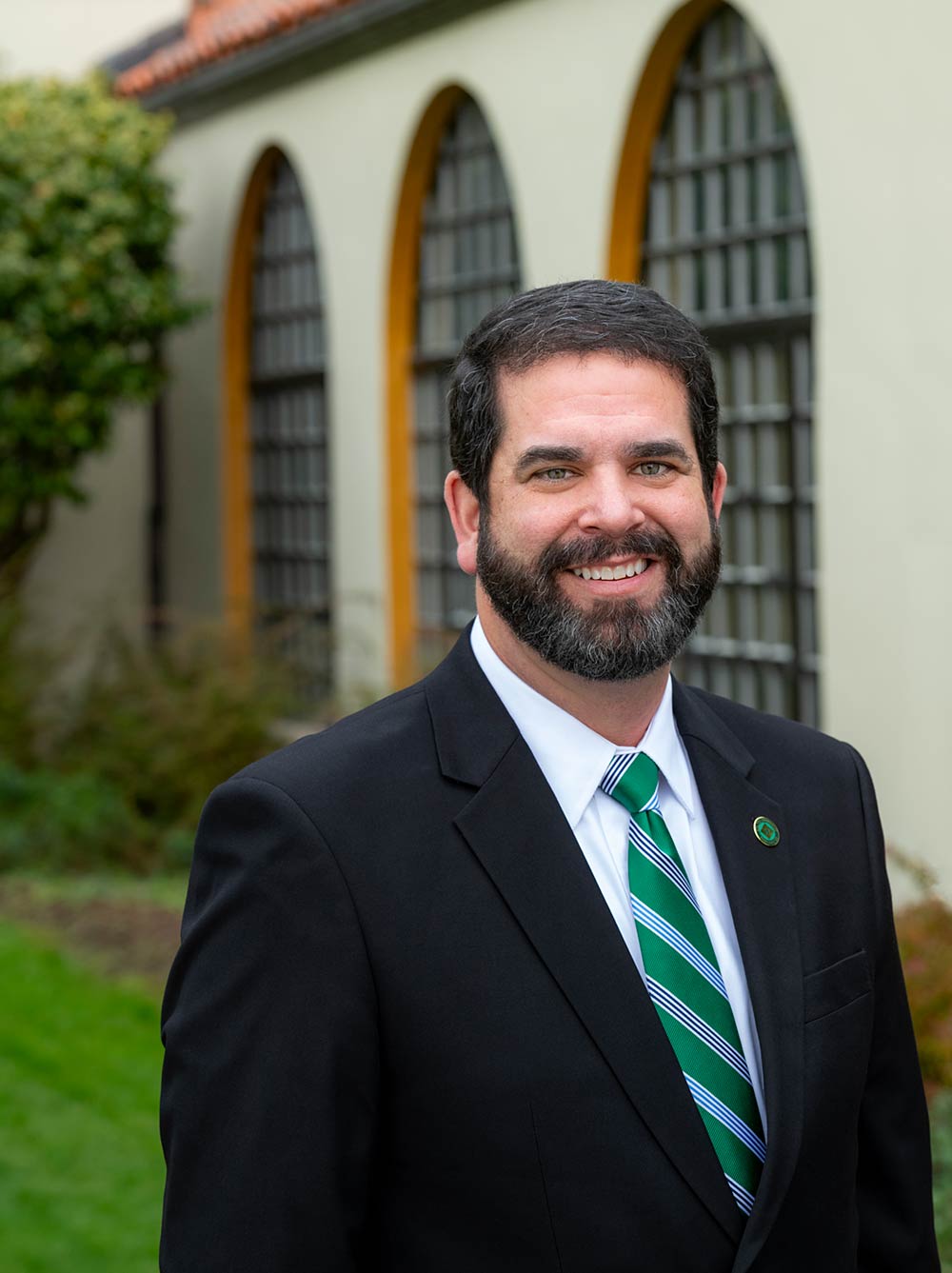
Richard Carvajal has a
sinking feeling
It's 1990, and he's a sophomore at East Central University with a scholarship and a 4.0 GPA. The school isn't far from his home in Crowder, a no-stoplight-two-stop-sign town in Oklahoma, not far from where he once lived in a car.
Carvajal is on his way to meet Dr. Gerald Williamson, who has asked to see him. He's sure the vice president of Student Services is about to confirm what Carvajal believed about himself all along: that he doesn't belong.
What he doesn't know is that his academic and personal life are about to change.
Now president of Cal Poly Humboldt, Carvajal shares stories like this with the campus community—not because his story is particularly special, he says, but to inspire students to believe in their potential, no matter their background. His story also illuminates the touchstone of Carvajal's more than 30-year career in higher education: When access, opportunity, resources, and hope converge for students, so much is possible.
Watch:
From cherry pies to Bruce Springsteen, mementos from the past bring back memories.
Rooted in Humboldt
"An education has given Richard the opportunity to go way beyond what he ever dreamed of as a kid."
--Dr. Gerald Williamson
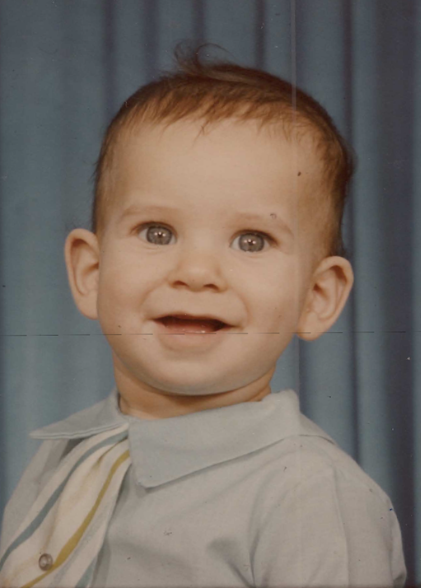
Carvajal's story begins well before Oklahoma. As a young child, he lived in Eureka and then Hydesville, where his family lived in a trailer on a hillside overlooking the Eel River. From there, they moved to Carlotta, where they lived in a log cabin in the forest near the Van Duzen River.
"Imagine me, my three siblings, and my parents in a one-bedroom cabin with a little potbelly stove for heat, in the middle of the forest on a dirt road. To say that we were financially struggling would be an understatement," he says. To help make ends meet, he spent his evenings and weekends cleaning office buildings with his father for the family janitorial business. "At the same time, my backyard was the Van Duzen River. My playground was the redwoods."
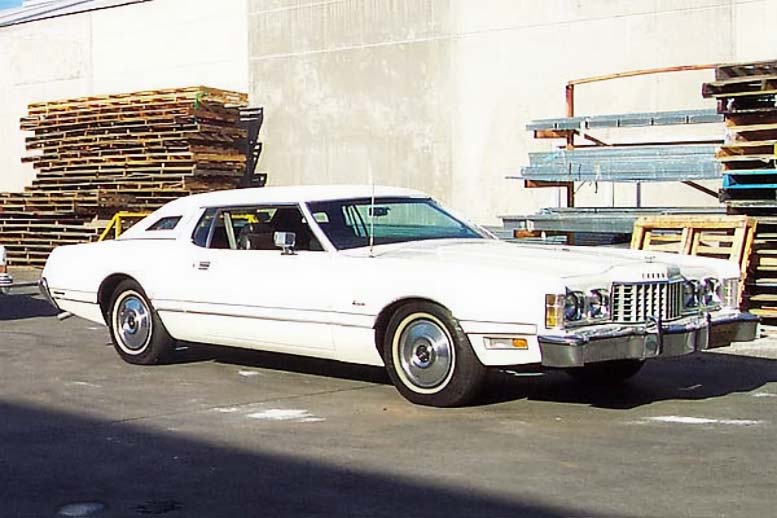
By high school, he and his family had moved to Oklahoma in pursuit of a better financial opportunity that unfortunately never materialized. At one point, he called the back seat of a 1973 Ford Thunderbird home.
Determined to graduate from high school, he persevered and excelled, earning the title of valedictorian. To Carvajal, the accomplishment came with an amusing qualifier: he was one of four valedictorians in a graduating class of 28 students. "But that award came with a scholarship, and that was my shot," he says.
Despite his successes and admission to East Central, Carvajal—a first-generation college student—believed he was an impostor.
"Based on my background and where I came from, I always felt like I didn't belong," he says.
Those feelings stayed with him as he walked across campus to meet with his university's vice president. "I thought they had finally realized I wasn't supposed to be there, that I wasn't good enough," says Carvajal. "I thought I had been found out and that this was the day I'd be sent home."
But Williamson didn't send him home, and instead offered him an opportunity to represent the university as an applicant for a prestigious program in Washington, D.C. After much prodding and encouragement from Williamson, Carvajal applied, becoming one of only 65 students nationally selected for the Washington Center's Minority Fellows Program.
Before Carvajal left for D.C., Williamson gave him a directive. "I told Richard, 'I'm going to demand one thing: You be the best intern there. That's the yardstick we're going to use against the other interns, and I want to know that you were the best there.'"
Carvajal rose to the challenge. The group of mostly Ivy Leaguers eventually elected him as their de facto leader.
That summer marked a turning point, and a sign of what was to come, personally and professionally. Carvajal gained a mentor and "second dad," and he began believing that he belonged in college.
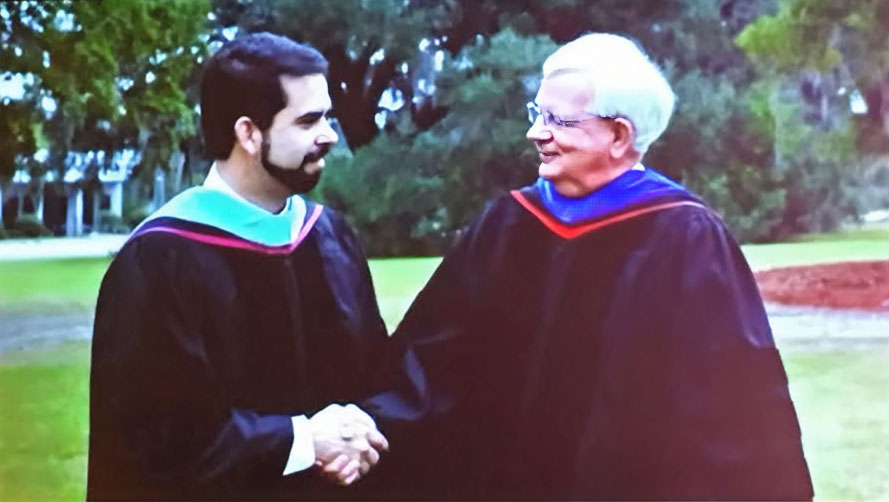
"An education has given Richard the opportunity to go way beyond what he ever dreamed of as a kid. He's allowed me to share his journey with him," says Williamson, who has watched Carvajal evolve into the leader he is today.
Carvajal held senior roles in student success, enrollment management, and student affairs, eventually becoming president of three Georgia institutions, all serving mostly rural students: Bainbridge State College at age 39, followed by Darton State College and then Valdosta State University, which he led for 9 years.
He was the longest-serving president of Georgia’s university system and thought he would someday retire there. Then came a call from a recruiter about Cal Poly Humboldt. When Carvajal heard about the position, the next step was clear.
"Humboldt made me who I am, and being here is coming home," Carvajal says. "To lead a polytechnic in a place that means so much to me? Talk about a dream come true. I knew I had to apply."
The Power of Opportunity
"I see so much of myself in these students. It's a privilege to make sure our unique polytechnic experience is open
to everyone." --President Carvajal
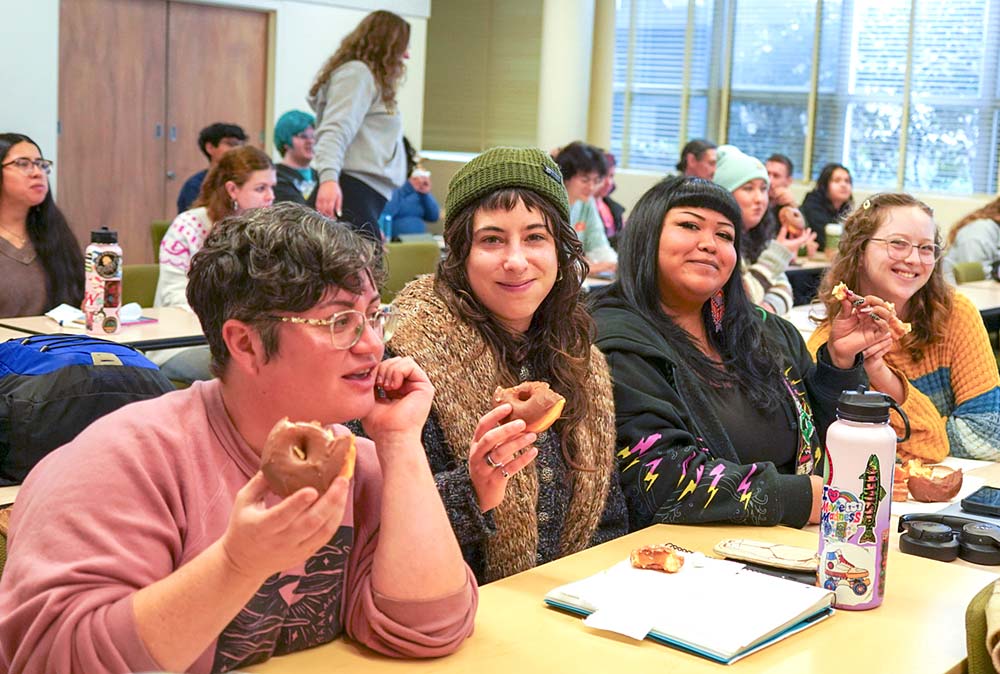
Carvajal's presidency comes as Cal Poly Humboldt approaches its fifth year as a polytechnic distinguished by its place in the redwoods, embracing the unique natural surroundings and rich culture to help students apply their learning.
The transformation represents an unprecedented opportunity supported by nearly half a billion dollars in state funding.
"An investment like that is simply unheard of in higher education," Carvajal says. "What the campus community has already achieved is tremendous. To launch 17 new degree programs and build new infrastructure—with more to come—in just four years is quite a feat. I see so much of myself in these students. It's a privilege to make sure our unique polytechnic experience is open to everyone."
So who are Cal Poly Humboldt's students? They are more than 6,200 strong and come from diverse backgrounds. Many are from underrepresented populations and are the first in their families to attend college. For most, going to college—and staying there—wouldn't be possible without financial aid.
That was the case for Carvajal. He supplemented his scholarship and Pell Grant with odd jobs. He threw hay bales in the Oklahoma heat, washed dishes, worked as a bellboy, and leaned on his childhood experience in Humboldt by cleaning office buildings.
These defining moments inform Carvajal's commitment to removing as many barriers as possible to earning a degree. Humboldt had begun dismantling those barriers before Carvajal arrived, through efforts including automatic scholarships for local freshmen and direct-admission partnerships with North Coast school districts. He sees his role as building on that foundation.
From Doubt to Direction
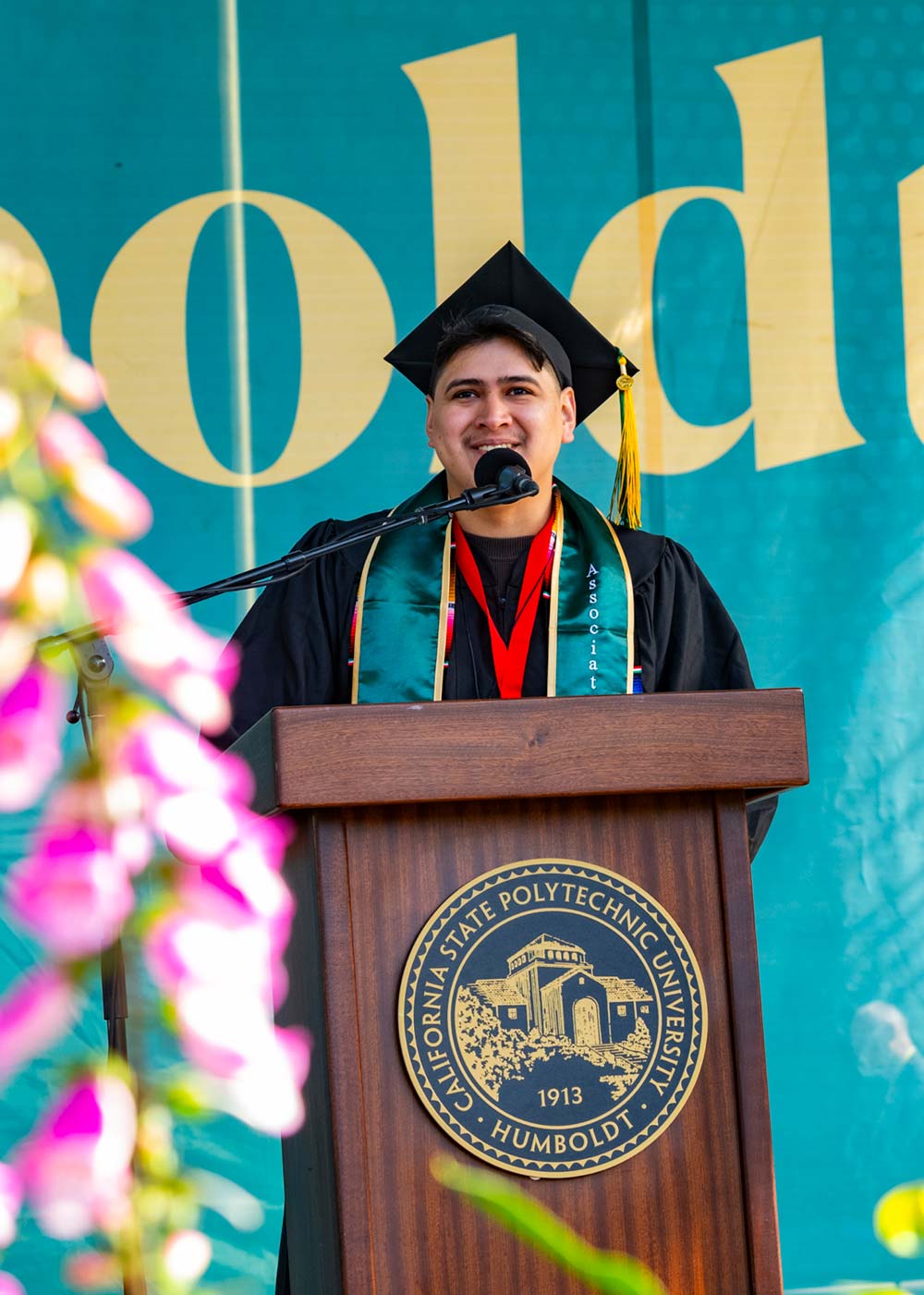
"I thought higher education was meant for other people—not someone like me"
--Eduardo Cruz
Opening the door is one step. Fostering students once they're here is the next, and campus community support is a major part of that effort. It's a lesson Carvajal learned during that pivotal meeting with Williamson.
"The day I went to see Dr. Williamson taught me that with the right help and the willingness to put in the work, students can do things they may never have imagined they could do," he says.
Eduardo Cruz was one of those students. He couldn't envision himself as a college student. The son of immigrants and born and raised in Fortuna, Cruz ('26, Biological Sciences), was plagued with self-doubt.
"I'm the son of immigrants from a small Humboldt County rural town. No one from my family went to college and we struggled financially. I thought higher education was meant for other people—not someone like me," Cruz says. "I assumed there were limits to what I could achieve. "When I came to Humboldt, I realized those limits were never really there."
Cruz, who was terrified of speaking up, became vice president and president of the student body government, Associated Students (AS). He credits those who mentored and supported him, from AS Executive Director Kendra Higgins to Chrissy Holliday, the former vice president for Enrollment Management & Student Success, and former Provost Jenn Capps.
"There are people at Humboldt who want to help students overcome their challenges and help them come out the other side."
Over time, Cruz found his voice, becoming a passionate advocate for students, helping to make sure they were represented and their voices were heard. His own voice was heard broadly. He was chosen as the student Commencement speaker for Fall 2025 and his graduation ceremony in Spring 2026. "If you had told me that I would go from a kid in Fortuna to giving a speech at that event, I would never have believed you."
Carvajal has served students like Cruz throughout his career. "They are driven, advocates of social justice, stewards of the environment, and innovators. All they need is a fair shot, and my goal is to give them that."
And when students thrive, so does the North Coast.
"Humboldt is building a highly trained workforce. Students are going into fields critical to the North Coast and California, including health care, K–12 education, and renewable energy," he says. "These students are exactly the future leaders our world needs."
Listening for What Comes Next
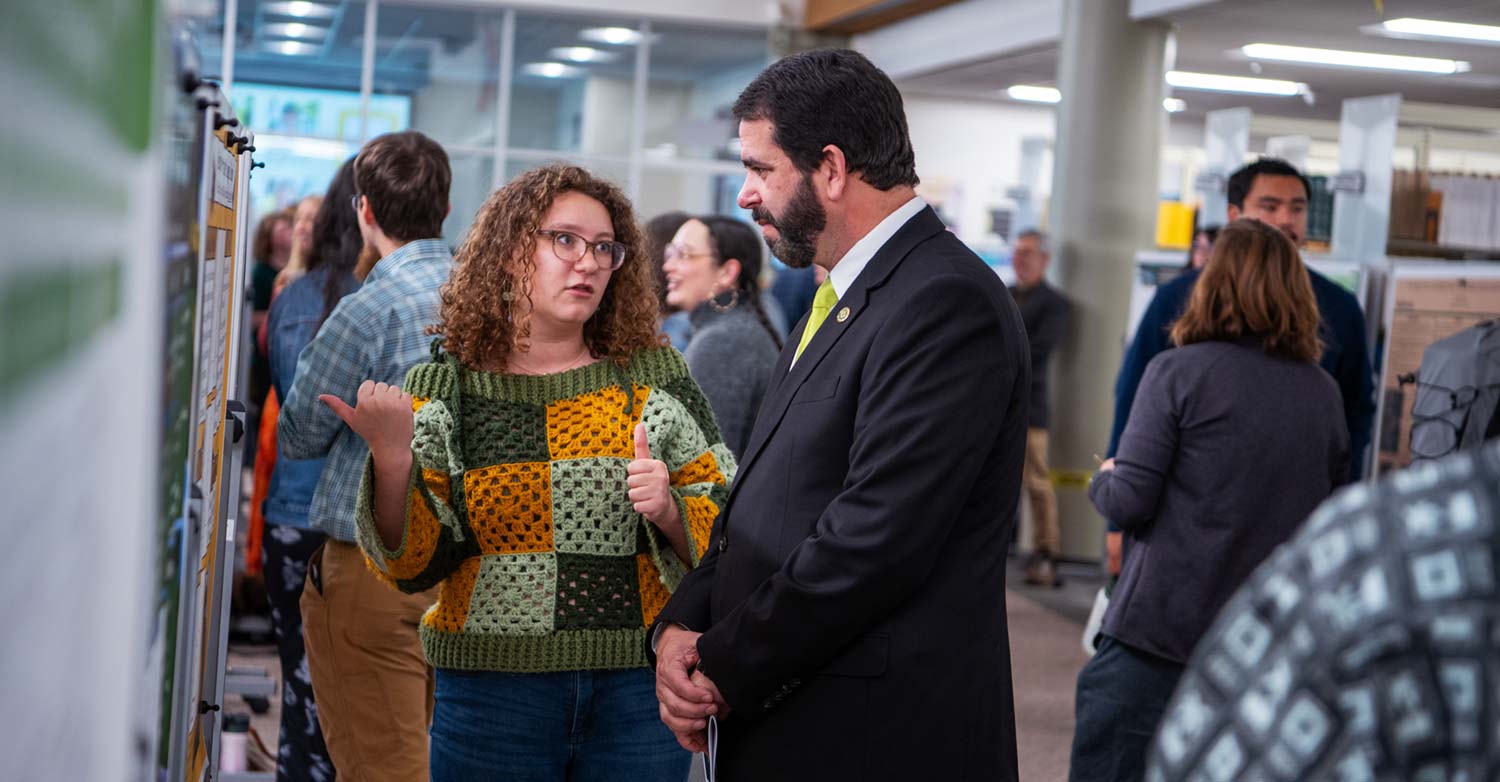
With the polytechnic expansion well underway and a steady increase in new students, Carvajal is focused on carrying forward the University's momentum—a new chapter the campus community and Carvajal will write together.
"Most university presidents share their vision right away. My vision always relies on those I'm leading, especially those who have been at this University for years. They know best what needs to be done."
For Carvajal, listening is leading. He is learning what matters most to the people he now leads. In that same spirit, he has officially launched the process of shaping the University's next strategic plan, which will guide Humboldt's future.
Carvajal continues to draw on his own history as he moves the University forward. He sees it as a reminder for students and for himself.
"I share my story because I want students to know that they too can make it. I was that person who wondered if something better was ever possible. I was the kid who lived in the trailer that got repossessed. I am the kid who lived in that run-down cabin in the woods. And with a lot of help, my story was allowed to happen."