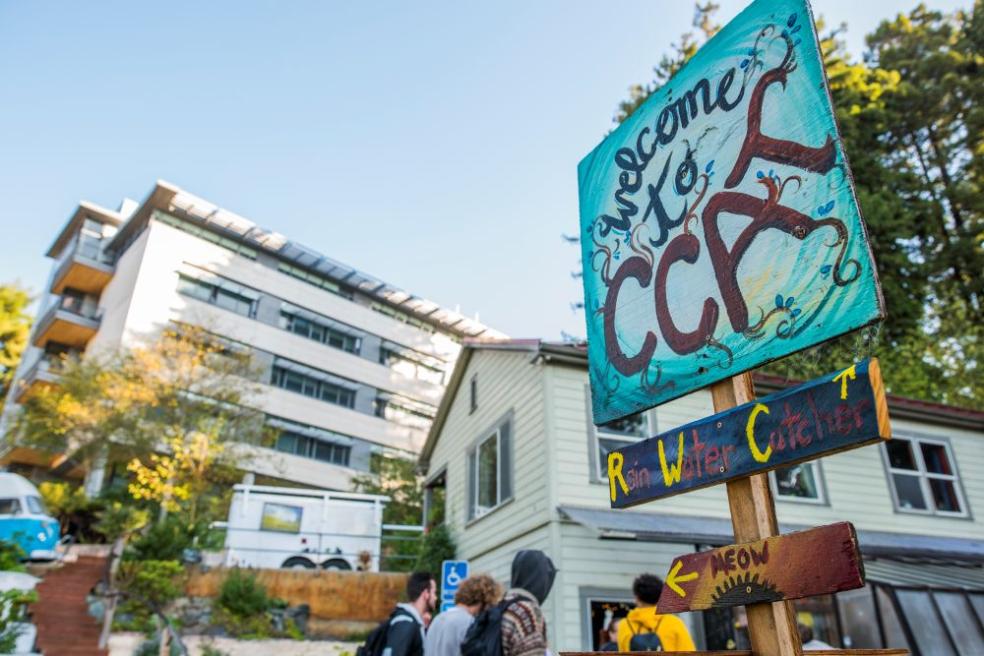
Terrell created two funds: The Terrell Family CCAT Experiential Learning Fund, which will support experiential and hands-on learning within the Campus Center for Appropriate Technology (CCAT), and the Terrell Environmental Studies Scholarship, which will support students pursuing a degree in Environmental Studies.
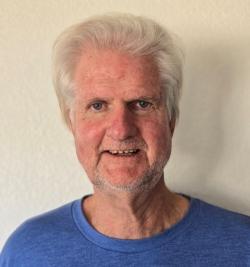
Together, the funds are meant to reinforce a simple message Terrell believes students need to hear: sustainability work matters, and they have the ability to lead it.
For Terrell, this gift is both a thank-you and a call forward. It’s rooted in a life shaped by Humboldt’s landscape, culture, and hands-on learning. Years that helped turn an early fascination with energy and the outdoors into a career dedicated to conservation, efficiency, and practical climate solutions.
Terrell remembers how Humboldt first came into view in high school. Drawn to the campus surrounded by redwoods and the coast, he wanted a college experience connected to the outdoors. Humboldt's environmental focus and integration of sustainability into classes and campus life made it stand out to him.
His interest in sustainability started at 16 when he faced long gas lines during an oil embargo. This experience raised questions about energy uncertainty and community adaptation, prompting him to research energy, wilderness preservation, and the environmental movement, ultimately inspiring a career aimed at making a difference.
At Humboldt, Terrell found the fit he’d been looking for. He initially tried to enter forestry, but the major was impacted, so he enrolled in Rangeland Management, but found it wasn’t for him. Within days, he switched into Natural Resources.
Humboldt gave him room to explore and the support to find his direction. He ultimately spent six years on campus, earning his bachelor’s and master’s degrees in education with a focus on environmental education.
“Humboldt is a place where caring deeply about the environment is valued, and it feels natural to build one’s life around that commitment,” Terrell says.
That sense of possibility became real for him through CCAT—a longstanding eco-demonstration home run by students on campus. CCAT hosts workshops, demonstrations, applied research, and student-led engineering or sustainability projects. Terrell came across a flyer at Youth Educational Services (Y.E.S.) seeking students interested in developing an “appropriate technology” program. He didn’t yet fully know what the term meant, but it sounded aligned with his interests: practical, sustainability-minded innovation. He went to a meeting and found a group of students who shared his drive to think ahead and take action.
Together, they wrote a proposal to transform the historic Buck House into CCAT's permanent home. They created a master plan, presented it to the University, and received the support they needed to move forward. Terrell returned to campus as a graduate student and moved into the house, where he lived for two years as a co-director with Kelly Gillogly and Kirk Girard, who were the first three Co-Directors of CCAT during the school year. In those early days, his work was hands-on in every sense, helping renovate the space, creating a place that could welcome students and faculty, and shaping CCAT into a hub for learning, demonstration, and student-led projects.
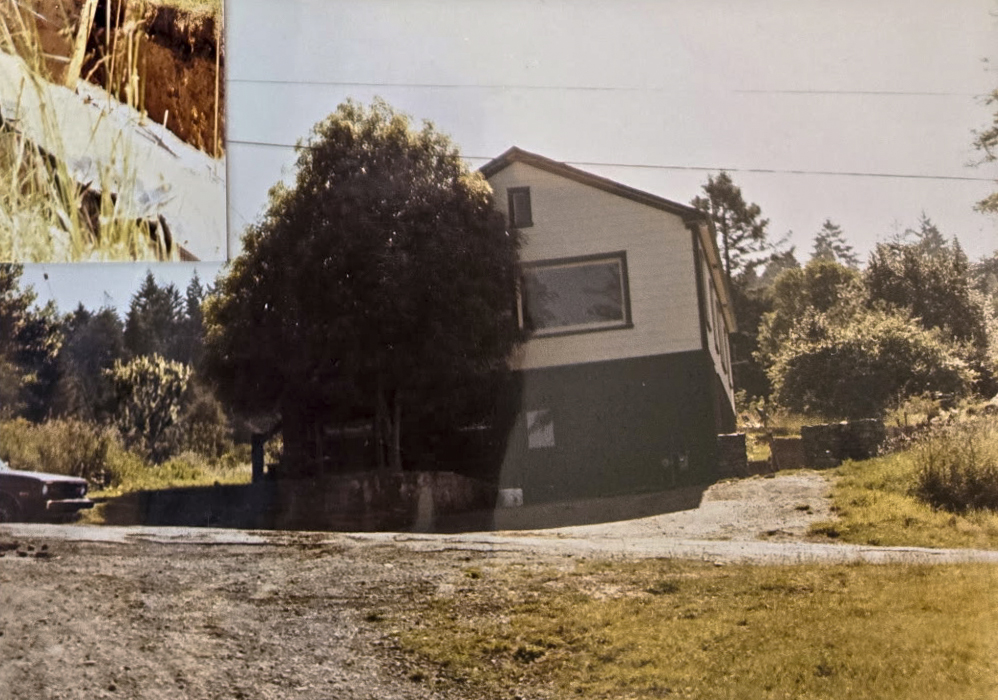
Before Terrell and the co-directors moved in, Sandy Peterson was there the previous summer, starting property renovations. Gillogly was likely the most impactful CCAT Co-Director, leading the creation of the greywater system, compost privy, and solar greenhouse, designing and overseeing their construction. He also led CCAT house renovations, drawing on his family’s construction skills. After Girard left, Scott Monroe joined and assisted Gillogly with these projects.
Terrell believes that experience didn’t just complement his studies—it helped chart his future.
After graduating, he built a career in energy conservation and management. He started as an intern in Long Beach and later developed programs in Riverside. There, he developed an energy center for the city and created the Riverside Energy Demonstration Center, an educational resource that hosted workshops, seminars, and an annual energy fair drawing hundreds of community members. Later, at Turlock Irrigation District, he led demand-side management efforts to reduce peak energy use, benefiting both the utility and community. He expanded conservation initiatives when he took a job in Truckee, creating numerous energy and water rebate programs. He also helped create another energy- and water-efficiency demonstration center there, in partnership with the Truckee Chamber of Commerce. He became known for turning stressful calls about high bills into actionable plans for reducing costs.
“Had I never been involved in CCAT,” Terrell says, “I wouldn’t have even thought about creating this career.”
His connection to Humboldt remained strong after graduation. He returned to CCAT to give a presentation and helped students identify energy use. Later, he taught an intensive energy auditing course at Humboldt, where one of his students was Morgan King, now Cal Poly Humboldt’s Climate Action Analyst.
Today, Terrell hopes his two gifts will provide students with the same kind of momentum and encouragement that shaped his own path.
At Humboldt, Terrell learned that big ideas become possible when people fully commit to them. CCAT began as a proposal written by a small group of students who believed in building something better. Terrell wants students today to recognize that same possibility in themselves.
“If you work hard, you can achieve whatever you want,” Terrell says. “Whatever your dream is, go for it.”
Support sustainability at Cal Poly Humboldt by contributing to the Terrell Family CCAT Experiential Learning Fund, the Terrell Environmental Studies Scholarship, or another inspiring area. Your gift empowers students to lead with innovative, hands-on learning. For more information, contact the Cal Poly Humboldt Foundation at giving@humboldt.edu or call (707) 826-5200.