
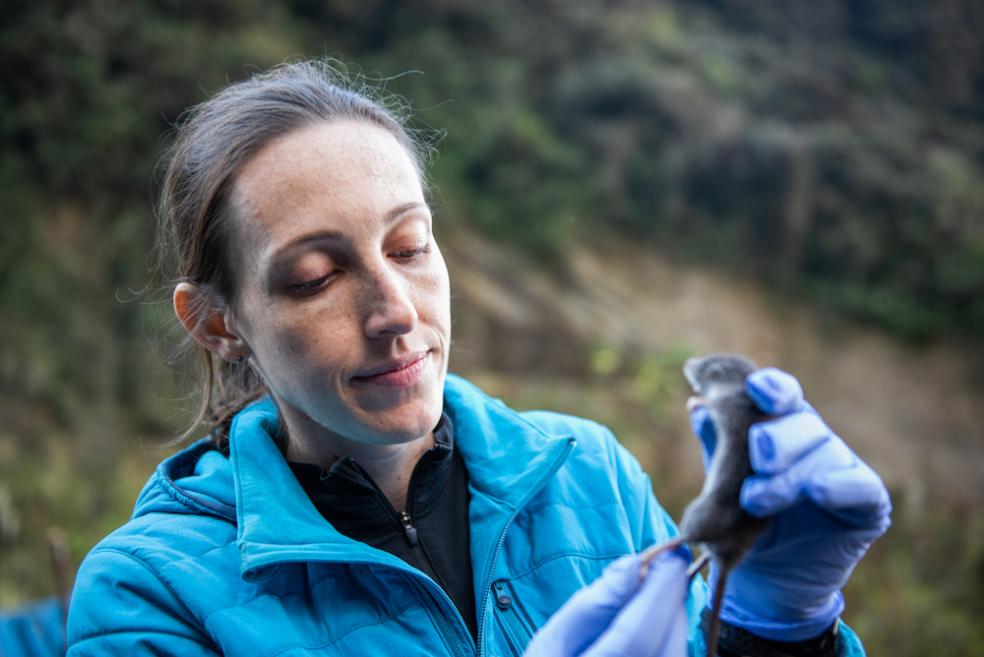
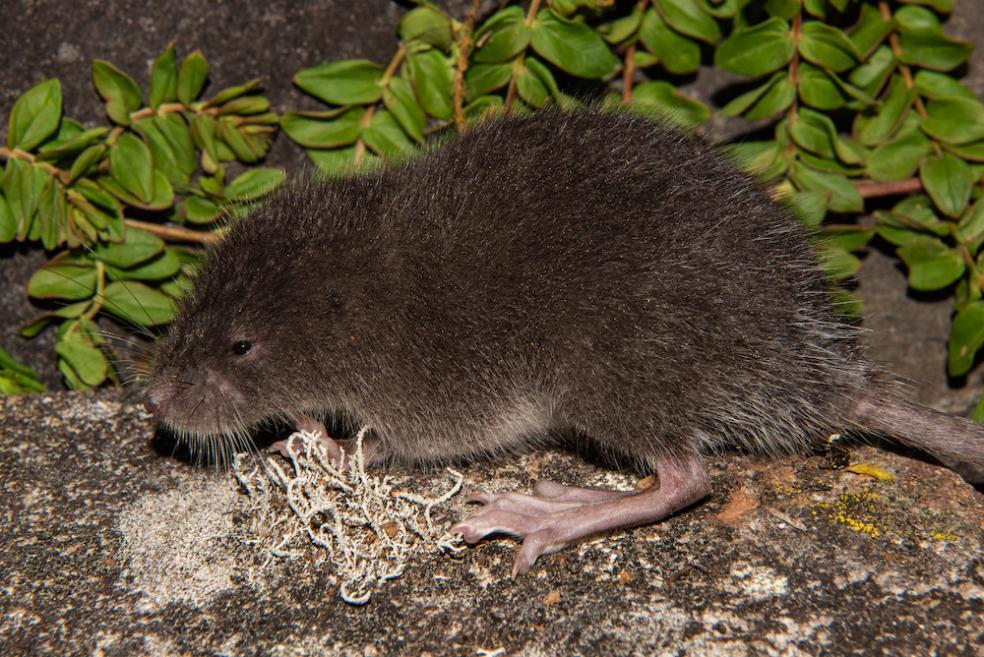
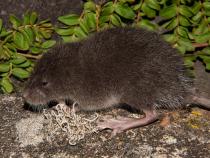
The species Incanomys parviauris, or the Incan small-eared water mouse, was first encountered during a 2018 research expedition in Río Abiseo National Park, a UNESCO World Heritage site, and formally described in the journal American Museum Novitates this February.
The small rodent is adapted for life around water. It has dense gray-brown fur, a long tail, partially webbed hind feet, and specialized hairs that help it move through streams. Its name parviauris—Latin for “small ear”—refers to the tiny ears hidden within its fur.
The new rodent belongs to a group of mammals known as ichthyomyines, or water-adapted mice. Also known as water rats, they hunt insects and other small prey along streams.
Identifying it as a new species required years of genetic analysis and detailed anatomical study. The process involved sequencing DNA and comparing specimens, including one from a museum collection deposited nearly 60 years ago.
“This highlights that new species are discovered and described not only based on new fieldwork efforts, but also by reviewing specimens held in natural history collections—and reinforces the value of both museum collections and new collecting efforts as essential for properly documenting biodiversity,” said Silvia Pavan, Biological Sciences professor at Cal Poly Humboldt who co-authored the study alongside Pamela Sanchez-Vendizu, Edson F. Abreu, and Victor Pacheco.
The same expedition to Rio Abiseo led to another discovery—a mouse opossum (Marmosa chachapoya), identified and published last year.
Researchers say the discoveries highlight how much biodiversity in the Andes remains undocumented.
When the team first collected the new rodent during fieldwork at Abiseo and Colán, its genus had not yet been named. The genus was only recently described for another species in 2025. Today, Incanomys parviauris remains only the second known species in the genus.
“This finding underscores how little we still know about the diversity of small mammals in the Andean cloud forests,” said Pavan.
Found near mountain streams between 2,400 and 2,700 meters in northern and central Peru, it is the only ichthyomyine species currently known from these high elevations in the eastern Andes. While some of its habitat lies within protected areas, researchers note that deforestation and land-use change may threaten it.
For scientists, discoveries like this are a reminder that ecosystems like the Andes remain biodiversity hotspots and that continued research is essential to understanding and protecting them.
“Each species helps us piece together the evolutionary history of these ecosystems,” Pavan said. “It also reminds us how important it is to conserve the habitats where these unique animals live.”